


Erhu Lessons | Learn Erhu
With over 20 years of experience in music education, Parkland Music offers structured erhu lessons led by experienced instructors. We focus on developing students’ musical foundations, playing techniques and stage presence, with opportunities to take graded examinations, enter competitions and perform in public, supporting well-rounded musical development.
Erhu Course Introduction | Learn Erhu, Discover a New Style
Who says the erhu is only for traditional Chinese music—or that Chinese music is old-fashioned? Watch the video to explore contemporary erhu playing and discover how its expressive tone and vibrant rhythms bring modern musical styles to life!
Parkland Music’s erhu lessons welcome children, teenagers and adults. Start from the basics and gradually develop correct posture, bow hold and bowing techniques, fingering, intonation, rhythm and music reading. Our erhu instructors tailor lessons to each student’s ability and interests, combining traditional Chinese music with pop songs. Beginners build a solid foundation, while experienced players explore advanced techniques such as vibrato and position changes. Whether you want to develop a musical hobby or play your favourite songs, start here and discover the erhu’s lyrical sound and modern appeal!
Erhu Course Content | Beginner Lessons, Bowing Techniques, Pop Songs and Advanced Training
- Parkland Music’s erhu course offers a structured approach to learning, covering posture, bow hold, bowing, coordination and intonation, alongside music theory, music reading, traditional Chinese music and pop songs. Lessons are tailored to each student’s ability and interests, helping beginners build a solid foundation while encouraging advanced students to explore contemporary erhu styles and musical expression.
- 1. Erhu Fundamentals and Beginner Training
- Instrument structure and correct posture: Learn about the resonator, neck, strings, bridge, qianjin string loop and bow. Develop correct sitting posture, instrument placement and a relaxed bow hold.
- Left-hand fingering: Practise hand shape, finger independence and basic playing positions. Develop accurate finger spacing and consistent intonation through scales and simple melodies.
- Right-hand bowing and tone control: Learn push and pull bowing, separate and slurred bowing, and transitions between the inner and outer strings. Coordinate bow speed, pressure and string contact to produce a clear, connected sound.
- Listening skills and tuning: Understand erhu tuning and learn to use a tuner. Open-string exercises and scales help develop pitch recognition and the ability to correct intonation independently.
- 2. Traditional Chinese Music and Pop Songs
- Traditional erhu repertoire: Explore Chinese pieces at different levels, developing an understanding of melodic direction, rhythmic characteristics, phrasing and traditional musical expression.
- Pop songs and contemporary styles: Apply erhu techniques to pop songs, film music and modern melodies, using bowing, tone and ornamentation to express different styles.
- Music theory and sight-reading: Learn numbered notation and staff notation as appropriate. Understand time signatures, key signatures, rests, bowing indications and dynamic markings to improve music reading and sight-reading skills.
- Musical structure and expression: Recognise musical sections, shape phrases and control dynamics. Combine bowing and tempo choices to create more expressive performances.
- 3. Advanced Erhu Techniques and Stage Performance
- Advanced bowing techniques: Progress to fast bowing, detached strokes, bouncing bow strokes and rapid string crossings. Develop coordination, rhythmic consistency and tone control for more fluent playing.
- Shifting and expressive left-hand techniques: Gradually introduce position changes, vibrato, slides, trills and harmonics, improving intonation across different positions and enriching musical expression.
- Ensemble playing and rhythmic coordination: Practise with accompaniment or other musicians to develop listening, timing, intonation adjustment and balance between parts, building a foundation for school Chinese orchestra participation.
- Performance and examination preparation: Prepare suitable performance pieces or erhu examination repertoire according to individual goals. Build stage confidence through technical training, interpretation and complete performances.
- 4. Erhu Care and Independent Practice
- Choosing an erhu and accessories: Understand the basics of selecting an instrument and the uses of bows, strings and rosin. Choose suitable equipment according to your level and playing needs.
- Daily cleaning and instrument care: Learn routine care for the instrument, strings and bow, including rosin use, storage, temperature and humidity management, and protection of the resonator’s skin membrane. Recognise adjustments that require professional attention.
- Structured practice: Use long bows on open strings, slow scales, sectional practice and a metronome to address challenges in intonation, string crossing, shifting and rhythm while building consistent practice habits.
- Listening and recording reviews: Listen to demonstrations and record your own playing to review intonation, rhythm, bowing and tone, then set clear goals for your next practice session.
Who Are Our Erhu Lessons Suitable For?
Whether you have never read music before, love traditional Chinese music or want to play pop songs on the erhu, our instructors will tailor lessons to your ability and interests. Learn correct posture, instrument placement, bow hold, basic bowing, fingering and music reading, then gradually work towards your first piece while discovering the erhu’s traditional character and modern appeal.
Ideal for students with some erhu experience who want to improve intonation, shifting, vibrato, fast bowing and tone control. Instructors provide focused exercises to address technical challenges, alongside repertoire training tailored to examination or performance goals, helping you progress with greater expression and confidence.
Suitable for young learners interested in Chinese music or planning to join a school Chinese orchestra. Lessons begin with instrument placement, bowing, fingering and music reading, gradually developing intonation, rhythm and ensemble listening skills. Instructors can also provide focused preparation based on the school’s audition requirements and repertoire, helping students prepare for auditions and future rehearsals.
Ideal for those who want to enjoy music and develop a personal interest outside work or study. Lessons follow your learning goals and progress, starting with melodies you love and gradually building erhu playing skills. Make practice a rewarding time to relax and express your emotions through music.
Erhu Learning Guide | Getting Started, Exam Planning and Effective Practice Tips
How Soon Can Beginners Take an Erhu Exam? How Long Does It Take to Reach Grade 9?
At Parkland Music, we believe that interest should drive learning. Erhu examinations are optional. Whether you want to play pop songs, join a school Chinese orchestra or assess your progress through graded examinations, our instructors will plan lessons around your interests, ability and goals.
For students pursuing examinations, lessons can follow the requirements of the Central Conservatory of Music erhu examinations administered by the Hong Kong Examinations and Assessment Authority (HKEAA), covering Grades 1–9 and the Performance Grade.
Beginner erhu examinations: First develop correct instrument placement and bow hold, basic bowing, accurate fingering, rhythm and music reading, then gradually prepare the repertoire for your chosen grade. Your instructor will recommend a suitable examination level and timing based on your practice and playing ability.
From beginner to Grade 9: This is an advanced goal requiring several years of sustained learning. Students progressively develop shifting, vibrato, fast bowing, tone control and musical interpretation. The time required varies with age, practice frequency and individual progress. Instructors set achievable milestones to support steady development, with the option to prepare for the Performance Grade after completing Grade 9.
How Soon Can an Erhu Beginner Play a Song?
The following milestones are a guide. Instructors will adjust the pace according to each student’s progress.
Lessons 1–2: Learn about the erhu’s structure, playing posture and bow hold. Practise long bows on open strings, basic rhythm and music reading, gradually developing a steady, clear sound.
Around one month or four lessons: With regular practice, begin using basic fingering and separate bow strokes to play simple Chinese melodies or familiar song excerpts, gradually working towards your first complete beginner piece.
Around three to six months: Improve coordination, intonation and string-crossing consistency. Introduce simple slurred bowing and explore more complete traditional pieces or simplified pop songs, with basic ensemble practice where appropriate.
Erhu Practice Methods | Practical Tips for Learning at Home
Practise in short, focused daily sessions: Start with 15–30 minutes a day, adjusting for age and concentration. Divide your time between open-string bowing, scales, rhythm and repertoire to build a consistent practice habit.
Start slowly, focusing on intonation and tone: When tackling fast passages or complex fingering, choose a speed that allows accurate playing. Listen carefully to each note, keep bowing steady and maintain a clear pulse before gradually increasing the tempo.
Practise each hand separately, then combine them: Use open strings to develop right-hand bowing and string crossing. Slowly familiarise yourself with left-hand finger positions and patterns, then bring both hands together to improve coordination and sound.
Use a metronome and recordings: Check your timing with a metronome and record your playing. Listen for pitch inaccuracies, unwanted bow noise, uneven phrase connections and changes in dynamics to identify priorities for your next practice session.
Prepare for a school Chinese orchestra: Practise counting, music reading, observing rests and following a conductor. Develop the habit of listening to other parts and adjusting your intonation and volume when playing with others.
Professional Erhu Instructors | Erhu Lessons, Ensemble Training and Performance Coaching
Parkland Music’s erhu instructors emphasise strong fundamentals and musical expression, providing step-by-step lessons tailored to each student’s ability, interests and goals. From posture, bow hold, bowing techniques, intonation and music reading to advanced vibrato, shifting and tone control, our instructors help beginners build a solid foundation while guiding experienced students towards greater technical skill and expressive playing.
Our erhu course combines traditional Chinese music with pop songs, encouraging students to explore contemporary styles. Whether you want to develop a musical hobby, prepare to join a school Chinese orchestra or work towards the Central Conservatory of Music erhu examinations administered by HKEAA, our instructors provide appropriate technical exercises, repertoire and ensemble training to help you build confidence and develop your own musical style.
Erhu Lesson Fees | How Much Do Erhu Lessons Cost in Hong Kong?
22026 Fees for New Students (Individual Lessons)
| Grade | 30-min | 45-min | 60-min |
|---|---|---|---|
| 初級 (Pre-Grade) | $167 | $225 | $275 |
| 一級 (Grade 1) | $176 | $239 | $288 |
| 二級 (Grade 2) | $185 | $252 | $302 |
| 三級 (Grade 3) | $194 | $266 | $320 |
| 四級 (Grade 4) | / | $279 | $338 |
| 五級 (Grade 5) | / | $293 | $356 |
| 六級 (Grade 6) | / | $306 | $374 |
| 七級 (Grade 7) | / | $320 | $392 |
| 八級 (Grade 8) | / | $333 | $410 |
| 九級 (Grade 9) | / | / | $491 |
*All prices shown include a 10% discount.
Student Reviews | Are Parkland Music’s Erhu Lessons Right for You?
Considering erhu lessons at Parkland Music? Start by looking at the teaching approach, course content and your learning goals. We believe that interest should drive learning, so lessons are tailored to each student’s ability, musical preferences and goals. From traditional Chinese music to pop songs, students build strong fundamentals while exploring different erhu styles.
Whether you want to nurture your child’s interest in music, prepare for a school Chinese orchestra or work towards the Central Conservatory of Music erhu examinations administered by HKEAA, you can learn at your own pace and gradually develop playing skills and confidence.
Patient, step-by-step instruction: Learn correct sitting posture, instrument placement, bow hold, basic bowing, intonation and music reading, helping children, teenagers and adult beginners build a solid foundation.
Lessons tailored to ability and interests: Exercises and repertoire are selected to match each student’s progress and favourite styles, making traditional Chinese music and pop songs a source of motivation.
Technique and practical musicianship: Develop bowing, vibrato, shifting, intonation and rhythm alongside music theory and reading skills, progressively improving tone control, phrasing and solo playing.
Support for orchestra and examination goals: Lessons can include ensemble skills, music reading and examination repertoire to help students prepare for school Chinese orchestra auditions, rehearsals or erhu examinations.
Erhu Performance and Ensemble Opportunities | Student Concerts and Public Performances
At Parkland Music, we believe that learning the erhu goes beyond building fundamental skills. Performing on stage and playing in ensembles allow students to enjoy sharing music with others. We encourage erhu students of different levels to join suitable activities at their own pace, starting with a complete piece and gradually building stage confidence while showcasing the erhu’s traditional character and contemporary style.
Performance and Learning Opportunities for Erhu Students
Student Concerts: Subject to school event arrangements, students have opportunities to perform pieces they have learned, practise stage etiquette, develop confidence in live performance and learn from fellow students.
Public Performances: Depending on event availability and student readiness, students may participate in suitable public performances, playing traditional Chinese music or pop songs and gaining experience performing for an audience.
Music Competitions and Erhu Examinations: Based on their interests and abilities, students receive guidance in preparing for suitable Chinese music competitions or the Central Conservatory of Music erhu examinations administered by HKEAA, using clear goals to develop technique and musical expression.
Erhu Ensembles and Chinese Orchestral Playing: Ensemble training develops listening skills, coordinated bowing, intonation and volume balance, building a foundation for students who wish to join their school Chinese orchestra.
Activities, available places and performance formats are subject to the arrangements for each period.
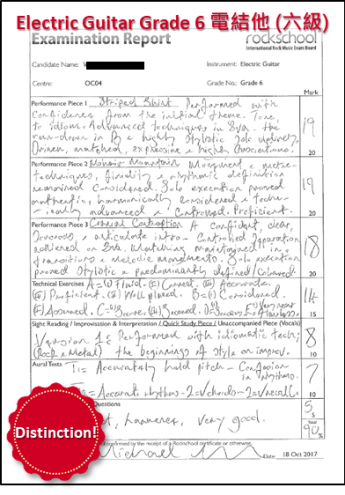
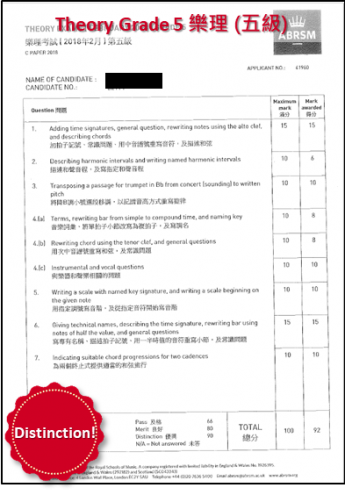
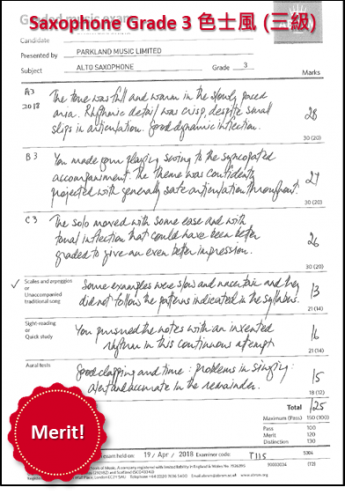
An Exam Pass Rate of 98% | Results That Speak for Themselves
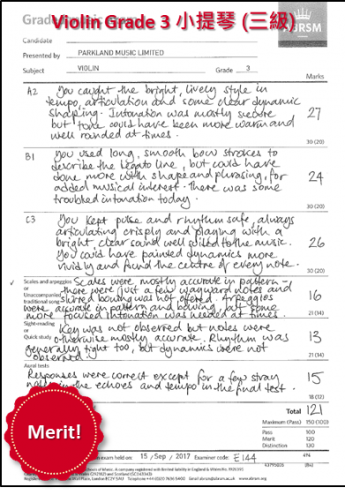
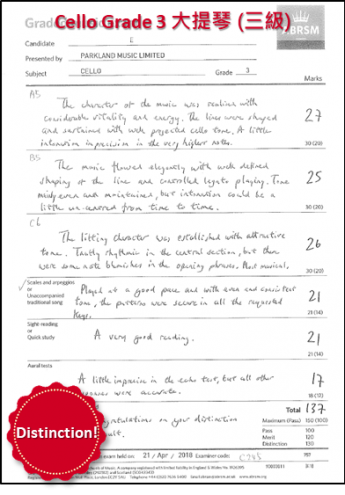
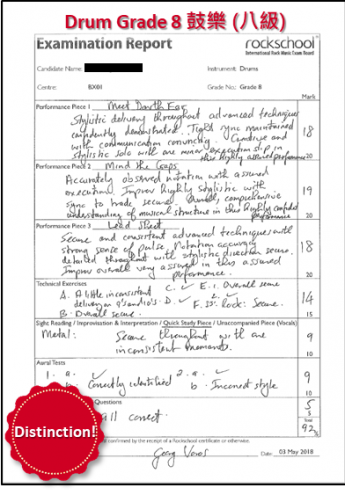
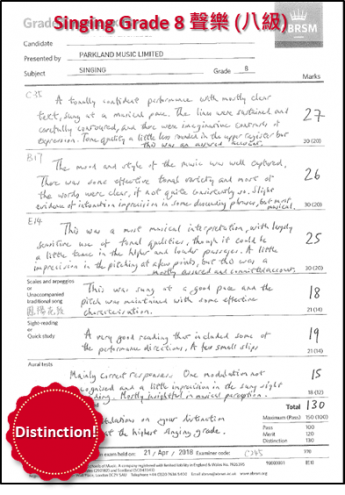
At Parkland Music, we believe that interest should drive learning. We provide professional, structured training tailored to each student. Over the years, our students have achieved a 98% pass rate in international music examinations, including ABRSM and Trinity College London exams. In one ABRSM examination session, nearly 88% of our candidates achieved Merit or Distinction!
Among our outstanding students, one progressed from a complete beginner to Grade 8 standard in just three years while studying at Parkland Music. Through personalised teaching, our instructors help students discover their potential and work towards graded music qualifications and performance diplomas, building confidence as they pursue their musical ambitions.

Enquire About Erhu Lessons Today
Complete the form below and enrol to receive HK$50 cashback! Limited places are available each month on a first-come, first-served basis, while places last.
Whether you’re a complete beginner, an intermediate student or an advanced player, our instructors will tailor lessons to your musical goals. You can even choose your favourite songs and musical styles as part of your learning materials!
Erhu Lessons: Frequently Asked Questions
Yes. Lessons begin with correct sitting posture, instrument placement, bow hold, open-string bowing and basic fingering, before gradually introducing rhythm and music reading. No previous musical experience is required.
Flexible Scheduling: Weekday daytime, evening and weekend lessons make it easier for working adults and students to fit classes into their schedules.
Personalised Learning Pace: One-to-one lessons follow each student’s progress, with a regular lesson time suited to their schedule and flexible make-up lesson arrangements.
We recommend having a suitable erhu at home to practise bowing, intonation and the material covered in lessons. Your instructor can offer advice based on your age, ability and budget. Please check classroom instrument arrangements with your branch before attending.
Instructors tailor lessons to each student’s ability, musical interests and goals, balancing fundamental techniques with repertoire. Beginners develop bowing and intonation, while more experienced students work on shifting, vibrato, fast bowing and musical interpretation.
Please contact your branch to check trial lesson availability, fees and times. Share the student’s age, musical experience and learning goals to help arrange a suitable instructor and lesson.
Yes. Although the erhu has no fingerboard or frets, beginners can develop accurate intonation through listening and finger-spacing exercises. Students start with open strings, basic fingering and simple melodies, with no need to learn another instrument first.
Children can generally start from age four. Instructors consider each child’s height, hand development and concentration, then select suitable equipment and learning materials. Lessons begin with instrument placement, bow hold, simple bowing and rhythm exercises to develop musical interest and basic playing skills.
Lessons cover instrument placement, bow hold, push and pull bowing, string crossing, intonation, scales, rhythm and music reading. Advanced students progress to slurred bowing, shifting, vibrato, fast bowing, tone control and interpretation. Ensemble and examination training can also be included according to individual goals.
No. The erhu can also play pop songs, film music and contemporary works, and collaborate with different instruments. Instructors select suitable repertoire according to your interests and ability, helping you explore both traditional and modern styles.
Adults can learn the erhu too, even without previous musical experience. Whether you want a new hobby, a way to relax or the ability to play your favourite songs, you can learn at your own pace and build skills through regular practice.
With regular practice, beginners may start playing simple melodies or song excerpts within a few weeks to a few months. Progress depends on practice time, bowing and intonation skills, and the difficulty of the piece. Your instructor will adjust the material accordingly.
Yes. Lessons can build a foundation in intonation, bowing, music reading, counting and ensemble listening. Instructors can also provide focused preparation using audition requirements or pieces supplied by the school. Admission decisions remain with the school.
Students can prepare for the Central Conservatory of Music erhu examinations administered in Hong Kong by HKEAA, covering Grades 1–9 and the Performance Grade. Instructors plan examination preparation according to student ability. Entry requirements, repertoire and music theory requirements are subject to the relevant examination announcements.
Consider whether the teaching approach and course content match your goals. Parkland Music follows an interest-led approach, tailoring lessons to student ability and combining fundamental techniques with traditional Chinese music and pop songs. Lessons can also support school orchestra, examination and performance goals.
Fees vary according to the student’s grade, lesson length and lesson format. Please contact Parkland Music for current erhu lesson fees, available times and enrolment details.
Consider the instructor, course content, location and timetable. Parkland Music has nearly 50 teaching locations across Hong Kong, making it convenient to find a location near home, school or work. Lessons are tailored to student ability and interests, with support for school orchestra and examination goals. Please contact us to check erhu lesson availability at your preferred location.
No. At Parkland Music, we believe that interest should drive learning, and we respect each student’s choice. You can focus on favourite songs, develop ensemble skills or use examinations to set learning milestones.
Beginner erhu examinations: First develop correct instrument placement and bow hold, basic bowing, intonation, rhythm and music reading. Your instructor will assess when you are ready to enter based on playing consistency and examination requirements.
From beginner to Grade 9: This generally requires several years of sustained learning, progressively developing shifting, vibrato, fast bowing, tone control and musical interpretation. The time required depends on practice quality, time commitment and individual progress; a fixed completion period cannot be guaranteed.
Latest Articles
View allActivities
View all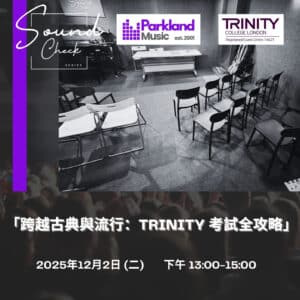
Parkland Soundcheck Series|Parkland X Trinity 《跨越古典與流行:Trinity 考試全攻略》工作坊

1213 曹貴子動感青年天地 Band Show 2025

Parkland Soundcheck Series Vol.6|Parkland X Shure 試咪大會

Soundcheck Series《Keyboard⼿的表演腦 VS 製作腦》

0517 黄埔天地 師生 Band Show 2025

Soundcheck Series《創作靈魂工作坊》

Soundcheck Series《Live Ready 🥁鼓手備戰工作坊》

0118 Tin Shui Wai T Town Student Show 2025


